Skip to content

Have you ever written a blog or post that got no likes, shares, or comments?
1. Boring Titles (One of the Content Writing Mistakes)
Many writers create titles that are too simple or dull. If the title doesn’t grab attention, people won’t even click to read the article, no matter how good the content is.
Think of your headline as the “face” of your content, just like we decide whether to open a gift based on the wrapping. Similarly, readers decide to click based on your title.
Bad Example:
“Tips for Writing”
This title is very plain. It doesn’t tell us:
- How many tips?
- What kind of writing?
- Why should we read it?
Better Example:
“Top 14 On-Page SEO Ranking Factors: Get More Organic Traffic”
This one is much better because:
- It uses a number (“14”) — people love lists.
- It uses powerful words like “Top”, “Get”
- It promises a benefit: Get More Organic Traffic.
How to Avoid It
Here are 4 quick tips to write better, more catchy titles:
- Use Numbers:
People love lists. Headlines like “5 Ways to…” or “10 Secrets of…” grab attention fast.
- Add Power Words:
Words like “amazing,” “easy,” “free,” “secret,” or “proven” make the headline sound exciting.
- Promise a Result:
Tell the reader what they’ll learn or gain.
Example: “13 Content Writing Mistakes (Practical Steps to Avoid)”, this gives them a clear reason to read.
- Keep It Clear:
Don’t use confusing or fancy words. Make sure your reader understands it at a glance.

2. Not Writing for a Specific Reader
Many writers make the mistake of writing for everyone, but when you try to talk to everyone, no one feels truly connected.
It’s like giving a speech in a room full of people without looking at anyone — nobody feels like you’re talking directly to them.
When your content writing feels too general, the reader won’t feel interested or understood. They might stop reading because it doesn’t speak to their needs.
Example:
Let’s say you’re writing about “starting a blog”.
Too General:
“Anyone can start a blog these days. There are many blogging platforms available online.” Sounds like it’s meant for anyone, but doesn’t help a beginner or give clear guidance.
Better (Specific Reader):
“If you’re a college student who wants to share your thoughts online, here’s how you can start a free blog today — even if you’ve never done it before.” Feels like you’re speaking directly to one person with a clear situation and need.
Pro Tips
Here are 3 easy steps to write for a specific reader:

a) Know Who You’re Writing For
Before writing, ask:
- Who is my reader?
- What problem do they have?
- What do they want to learn or do?
Example:
“I’m writing for beginners who want to learn content writing but don’t know where to start.”
b) Write Like You’re Talking to One Person
Use words like “you,” “your,” “let’s,” and write in a friendly tone, like you’re helping a
c) Solve Their Exact Problem
Think: What’s their biggest challenge? Your content should feel like a solution made just for them.
3. Using Complicated Words or Jargon
Some writers think using big or technical words will make them sound smart. But in reality, it just confuses the reader, especially if they are beginners.
Readers don’t want to open a dictionary every few seconds to understand the meaning of difficult words. If your writing is hard to understand, most people will leave the page.
Remember, good writing is clear, not complex.
What is “Jargon”?
Jargon means special words used in a certain field that others might not understand.
Example of jargon in digital marketing:
- “Leverage SEO to increase CTR and SERP rankings.”
Confusing, right?
Simple version:
- “Use SEO to help your blog appear higher on Google and get more clicks.”
Much easier to understand!
Improve it
Here are 3 easy ways to keep your writing simple and clear:
a) Use Everyday Words
Always choose a simple word instead of a complex one.
- Use “help” instead of “assist.”
- Use “start” instead of “commence.”
- Use “buy” instead of “purchase.”
b) Explain Any Necessary Terms
If you need to use a new or technical word, briefly explain it.
Example: “SEO (Search Engine Optimization) helps your content rank better on Google.”
- Read Your Writing Out Loud
If you can’t say it easily, your reader probably can’t understand it easily either.
4. No Clear Structure
Many writers start writing without planning how their article will flow from beginning to end. As a result, the content feels Boring, confusing, or all over the place.
If the structure is not clear:
- Readers may feel lost.
- They might stop reading halfway.
- Even good information gets ignored.
Think of writing like building a house — you need a strong plan (structure) before you start putting bricks (words) together.
Bad Example:
An article that jumps from one idea to another with no order:
- Talks about SEO basics
- Then, suddenly jumps to email marketing
- Then goes back to SEO again
This confuses the reader.
Better Example with Clear Structure:
A good structure might look like: How to Write Content for Beginners?
This keeps your writing organized and easy to follow.
Solution
Here are 4 tips to give your writing a clear structure:
- Start with an Outline
Before writing, plan your headings and main points. This gives your content a roadmap.
- Use Headings and Subheadings
Break the content into sections with clear titles. It helps readers scan and understand quickly.
- Keep Paragraphs Short
Don’t write big blocks of text. Use 2–4 sentence paragraphs. Add bullet points or numbered lists when needed.
- Follow a Flow
Make sure your points go in logical order — from basic to advanced or problem to solution.
5. Not Proofreading
Specifically, beginners write content and hit “publish” without checking it for spelling mistakes, grammar errors, or missing words. (Editing and Proofreading)
This makes your writing look unprofessional and careless. Even small errors can make readers stop trusting what you say.
Example:
Incorrect: “Its important to write good contant for you’re audience.”
Corrected: “It’s important to write good content for your audience.”
Do this to improve
- Take a short break after writing, then read it again with fresh eyes.
- Use tools like Grammarly or Quillbot to catch grammar/spelling mistakes.
- Read your writing out loud — it helps catch awkward sentences or missing words.
- Ask a friend or teammate to review it, if possible.
6. Ignoring On-Page SEO Basics
If you write online and don’t use basic on-page SEO (Search Engine Optimization), your content may never show up on Google, no matter how good your content is.
Without SEO, people can’t find your article unless you directly share the link.
SEO helps your content rank higher on Google so that more people can find your content and read it for free.
Practical tips to improve
Here are a few basic SEO tips for beginners:
- Use your main keyword naturally in the title, first paragraph, and a few times in the content.
- Add alt text to your images.
- Use headings (H2, H3) to organize content.
- Write meta descriptions (the small summary shown in Google search).
- Make your content easy to read.
Tools: Use Ubersuggest or Google Keyword Planner to find the best keywords.
7. Writing Without a Goal
Some writers just start typing without knowing why they’re writing or what they want the reader to do after reading.
When there’s no clear goal, the writing feels confusing and directionless.
Examples of Writing Goals:
- To teach something
- To convince the reader to buy
- To make them sign up for a newsletter
- To entertain or inspire

How to Avoid It
Before you write, ask yourself:
- What is the purpose of this article?
- What should the reader do after reading?
- Keep that goal in mind while writing. Every paragraph should lead toward that goal.
Example:
If your goal is to get email signups, make sure you:
- Give a gift for free
- Add a sign-up link
- Remind them to take action at the end
8. Writing Too Much Without Value
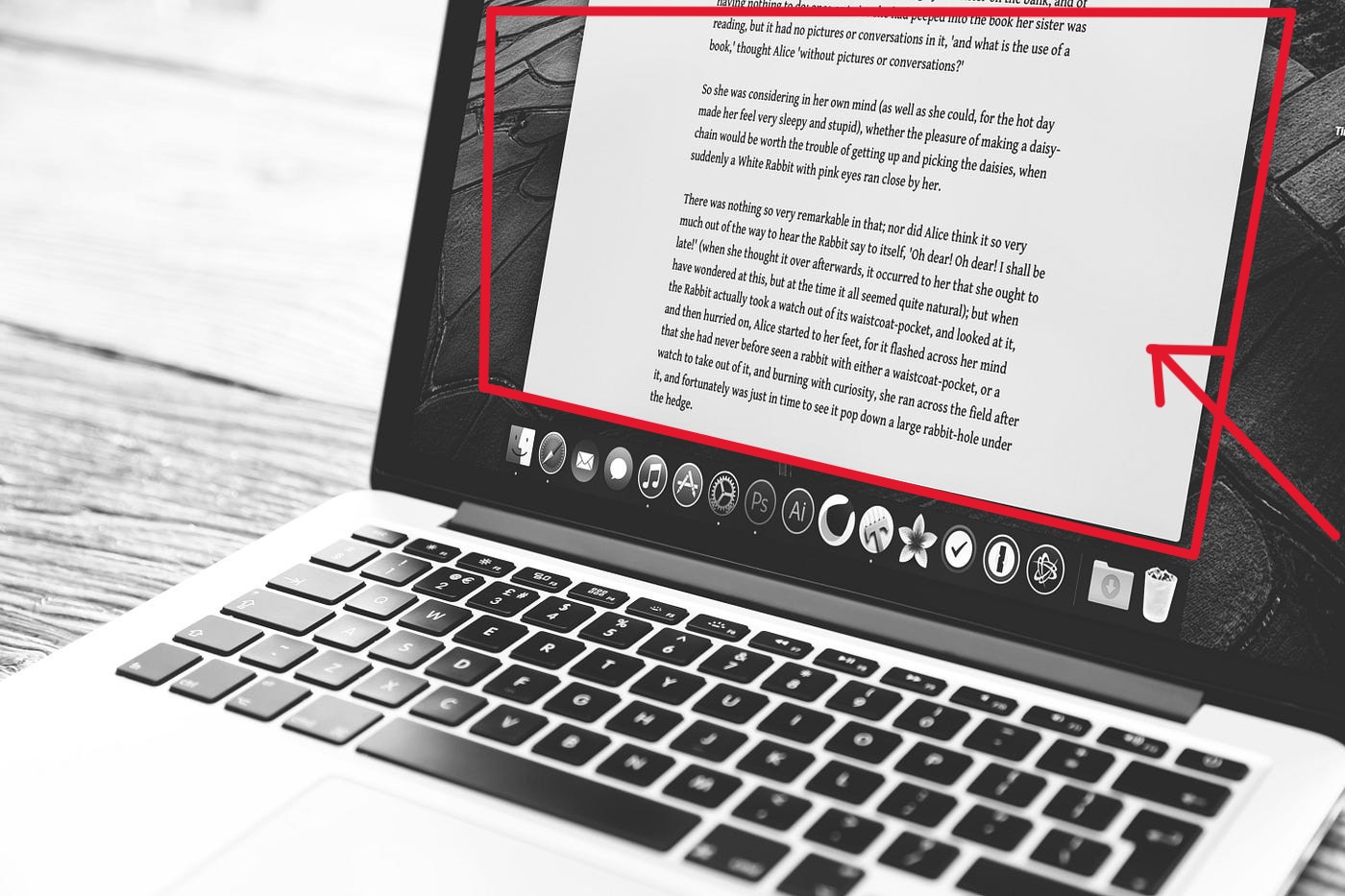
Some writers stretch content just to make it longer. They repeat the same ideas or add filler text that doesn’t help the reader.
This wastes time and makes the article boring.
Readers want value, not fluff.
Example of Fluff:
“In today’s modern time, we live in a world where digital content is everywhere, and content is important, and content is what we use online.”
Too much talk, but very little meaning.
How to make it better
- Always ask: Is this helping my reader?
- Cut out any sentence that doesn’t add value.
- Use examples, facts, or tips instead of repeating the same thing.
- Focus on quality over quantity.
9. No Call-to-Action (CTA)
After reading your content, readers might like it, but if you don’t tell them what to do next, they’ll just leave.
This is a missed opportunity.
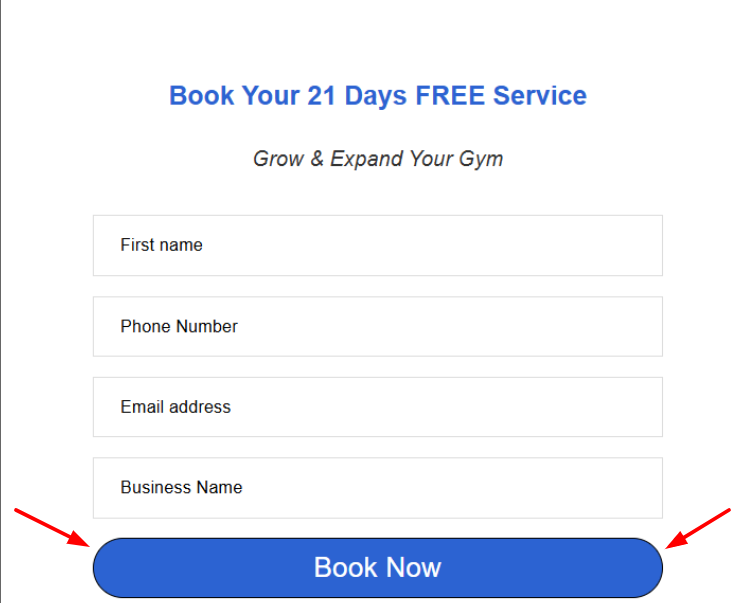
A CTA (Call-to-Action) tells your readers exactly what to do, like subscribe, comment, buy, share, or follow.
For Example
- “Liked this post? Share it with your friends!”
- “Sign up for our free newsletter to get more tips.”
- “Click here to book a free consultation.”
Tip: Use buttons, bold text, or a different color to make it stand out.
10. Forgetting to Edit for Clarity and Flow
Many writers stop after writing the first draft, but first drafts are never perfect.
If you don’t edit your content properly, it can feel:
- Confusing
- Disorganized
- Hard to read
Even if your information is good, poor flow or unclear sentences can make the reader lose interest or feel stuck.
Example of a Confusing Paragraph (Hard to Read):
“There are several things that people can do when it comes to writing better content, and this includes understanding what they’re doing wrong and how they can improve those things to make their writing better, clearer, and more understandable overall.”
That’s one long, confusing sentence.
Edited Version (Clear and Smooth):
“To write better content, start by understanding your mistakes. Then, work on improving them to make your writing clear and easy to read.”
Shorter. Smoother. Easier to understand.
Follow these steps to make it better
Here are 4 easy steps to edit for clarity and flow:
- Read Your Content Out Loud
If a sentence feels weird or too long when spoken, rewrite it. - Break Long Sentences
Don’t pack too many ideas into one sentence. Use short, direct sentences. - Check the Order of Your Points
Make sure your content follows a logical flow. One point should naturally lead to the next. - Ask “Is This Easy to Understand?”
Pretend you’re explaining it to a friend who knows nothing about the topic. If it sounds complicated, simplify it.
11. Not Adding Visuals or Examples
Writing only with text makes your content look boring or too heavy. Most readers scan content, and visuals that help break the dullness.
Also, without examples, readers may not understand how to apply what you’re saying.
Example Without Visual or Example:
“A landing page must be well-optimized.”
Okay… but what does that mean? What does it look like?
With Visuals and Examples:
“A good landing page has a clear headline, strong CTA, and zero distractions.
Example: Look at how [Digital Suman] uses one strong call-to-action and a clean layout.”
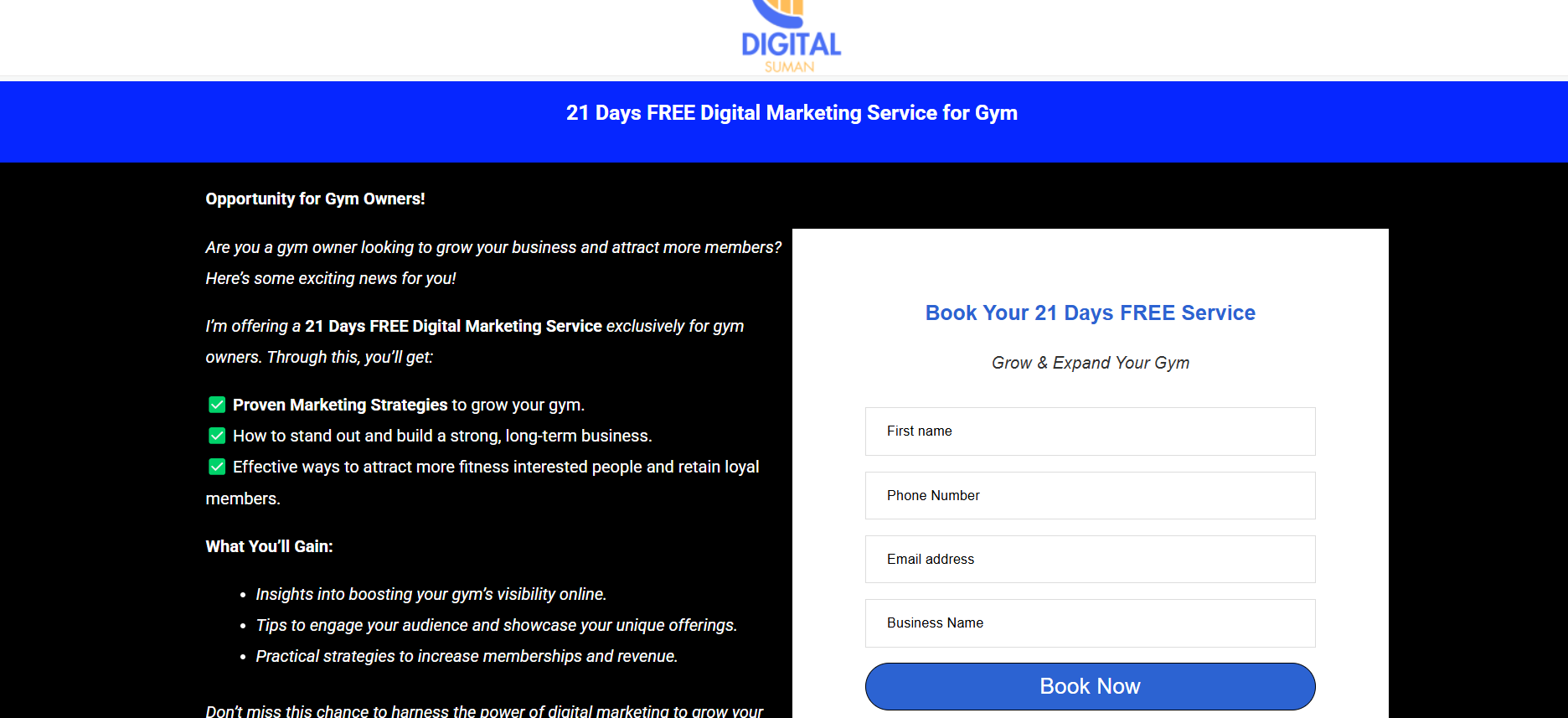
This helps readers understand better and faster.
Make your content engaging
a) Add:
- Screenshots
- Diagrams
- GIFs or Memes (if the topic allows)
- Icons or illustrations
b) Use real-life examples or case studies to support your points.
c) Break content into bullet points or add quotes to make it visually engaging.
12. Inconsistent Tone or Style
Some articles start casually, suddenly become super formal, or jump between different writing styles.
This makes the content feel unbalanced or confusing.
It’s like talking to someone who changes their voice every minute. You’d get annoyed, right?
For Example:
“Hey there! Let’s learn about SEO.
Moreover, such optimization strategies must be executed with technical precision and care.”
One line is casual, the next is too formal.
Improve It Properly
- Choose a tone based on your audience and topic, and stick with it.
- Casual: “Let’s explore how this works…”
- Formal: “This process involves several technical steps…”
- Use the same:
- Voice (first-person or third-person)
- Tense (past, present, or future)
- Vocabulary style (simple or expert-level)
13. Not Using Internal and External Links
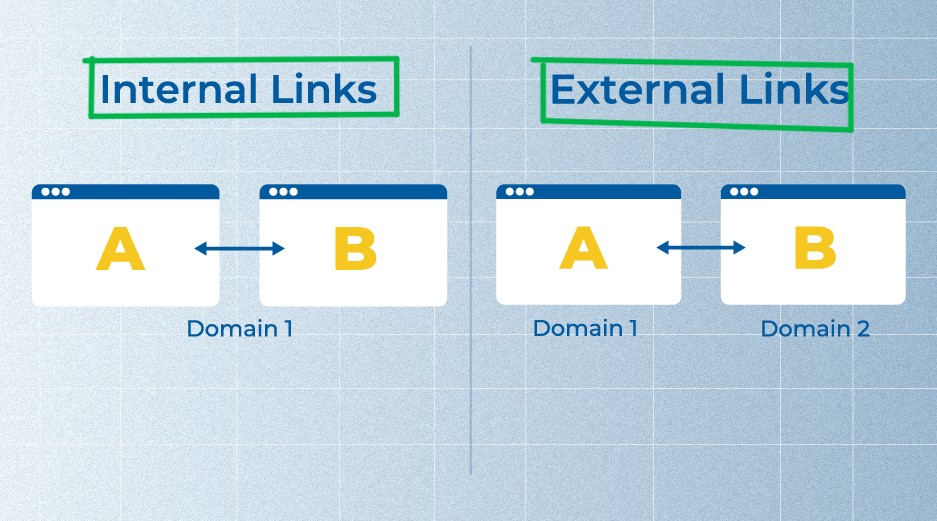
Many beginner content writers forget to add links in their blog posts. But this small mistake can hurt your SEO, reduce user engagement, and make your content feel incomplete.
What Are Internal and External Links?
Internal Links = Links that point to other pages on your website. (learn More)
External Links = Links that point to other websites.
Both are important. They guide your readers, improve SEO, and build trust.
What Happens If You Don’t Use Links?
-
- Your content becomes a dead end — no next steps.
- Readers may doubt your facts.
- Google may not fully understand or trust your blog post.
- You miss out on SEO benefits and lower engagement.
- Your content becomes a dead end — no next steps.
Pro Tips to improve it
-
- Add at least 2–4 internal links to other helpful posts or pages on your website.
- Add 1–2 external links to high-authority, relevant sources (avoid spammy sites).
- Use clear and natural anchor text (not “click here”).
- Add at least 2–4 internal links to other helpful posts or pages on your website.
Conclusion: Write Smart, Not Just More
These Mistakes can stop your content from ranking on Google, confuse your readers, or make your blog look unprofessional.
The good news? These mistakes are easy to fix when you know what to look for.
So, take your time.
Plan your content.
Use simple language.
And always write for humans first, search engines second.
If you avoid these 13 mistakes, your writing will instantly become more effective—more readable, more valuable, and more likely to rank.
FAQs
Here are the most common frequently asked questions by users:
Which of the following is a common mistake in content writing?
Answer:
A common mistake is focusing too much on keywords and not on user intent.
Other frequent mistakes include:
- Writing without a clear structure or flow
- Using too much jargon or complex language
- Not proofreading for grammar or spelling errors
- Ignoring SEO basics or over-optimizing
What is the most common mistake in writing?
Answer:
The most common writing mistake overall is a lack of clarity.
Writers often try to sound smart or use fancy words, but forget to make their message simple and easy to understand. Clarity always wins.
What is the golden rule of content writing?
Answer:
“Write for the reader, not for yourself.”
Your content should solve the reader’s problem, answer their question, or add value, not just showcase your knowledge.
What are the 3 C’s of content writing?
Answer:
The 3 C’s are:
- Clear – Easy to understand
- Concise – Straight to the point
- Compelling – Grabs attention and keeps the reader interested