Skip to content

If you want more people to click on your website in Google, fix your title tags and meta descriptions.
These are the first things people see when your site shows up in search results, and trust me, a boring or confusing title can mean zero clicks.
In this guide, I have explained how to write SEO titles and meta descriptions step-by-step using clear examples so you can start getting more clicks, even if you’re starting with SEO.
Now, let’s start with;
What Are Title Tags and Meta Descriptions?
Before we move into optimization tips, let’s understand what these are:
Title Tag
A title tag is the clickable headline you see on Google search results. It’s placed in the <title> HTML tag of your page. It also appears at the top of the browser tab.
Example:
<title> Master On-Page SEO: Beginner’s Step By Step Guide (2025)</title>

What users see in Google:
Master On-Page SEO: Beginner’s Step-by-Step Guide (2025)
Meta Description
This is the summary below the title in search results. It’s not a ranking factor directly, but it influences click-through rate (CTR), which can affect your rankings.
Example:
“ Learn how to master On-Page SEO in 2025 with this easy, step-by-step guide for beginners. Boost your rankings, get more traffic, …!”

Importance of SEO Titles & Meta Descriptions
Google itself says the <title> tag is “often the primary piece of information people use to decide which result to click.”
Similarly, a good meta description “informs and interests users with a short, relevant summary” of your page.
Well-written tags help both users (to understand your content) and search engines (to index and rank your page properly). When done right, they:
- Boost click-through rate (more traffic)
- Improve user experience
- Strengthen on-page SEO signals
So yes, this small detail can have a big impact.
Ideal Length for Title Tags and Meta Descriptions
Title Tag
- Best length: 50–60 characters (with spaces)
- Why: Google usually cuts off anything longer.
Note: Aim to place the most important keyword near the start.
Meta Description
- Best length: 120–155 characters
- Why: Google shows up to 920 pixels, which is roughly this length.
Note: Give just enough detail to tease the content and make users want to click.
How to Write SEO-Friendly Title Tags (With Examples)
Let’s look at practical tips to make your titles click-worthy and keyword-rich.
1. Use the Primary Keyword
Put the main keyword as close to the beginning of the title as possible.
Keyword: “on-page SEO ranking factors”
Bad:
“Ways to Improve Your Website Rankings with SEO Techniques”
(Too vague and generic. Doesn’t mention on-page SEO or ranking factors specifically.)
Good:
“Top 14 On-Page SEO Ranking Factors: Get More Traffic easily”
2. Keep It Clear and Human-Friendly
Avoid stuffing it with keywords. The title should make sense to a human, not just Google.
Bad:
“How to Track & Measure SEO Content Performance & Results (2025)”
(Too long and repetitive. Unfocused—tries to say too much at once.)
Good:
“Track SEO Performance the Right Way | Practical steps (2025)”
(Clear, keyword-focused, and structured for better readability.)
3. Add Power Words or Emotional Hooks
Words like “easy,” “step-by-step,” “ultimate,” or “complete” grab attention.
Example:
“Internal Links For SEO: The Complete Guide”
4. Include Brand Name (Optional but Useful)
This builds trust, especially if your brand is well-known.
Example:
“How to Do Keyword Research for SEO – HubSpot Blog”
How to Write Compelling Meta Descriptions (With Examples)
While Google sometimes rewrites your meta description, writing a good one is still worth the effort.
1. Summarise What the Page Is About
Tell the user what they’ll find if they click.

Bad:
“This is an article about content writing for beginners.”
(Not explaining properly.)
Good:
Discover a comprehensive guide to content writing for beginners. Learn essential skills, from research and SEO optimization to academic writing, blogging, …
2. Include the Main Keyword Naturally
Don’t force it, just include it where it makes sense.
Keyword: Keyword research
Example:
“Master keyword research strategies that boost traffic and ranking, best for beginners.”
3. Add a Call-to-Action (CTA)
Encourage action like “learn,” “find out,” “get,” or “discover.”
Example:
“Struggling with image optimization? Learn how to optimize images and rank on Google with this simple guide.”
Common Mistakes to Avoid
Avoiding these will save you from poor rankings and low click-through rates.
Keyword Stuffing
Don’t repeat keywords too many times.
Example:
“SEO Title Tag, SEO Title Guide, SEO Title Best Practices”
Use your keyword once naturally. Make it readable.
Too Long or Too Short
If it’s too long, it gets cut off. If it’s too short, you’re missing out on impact.
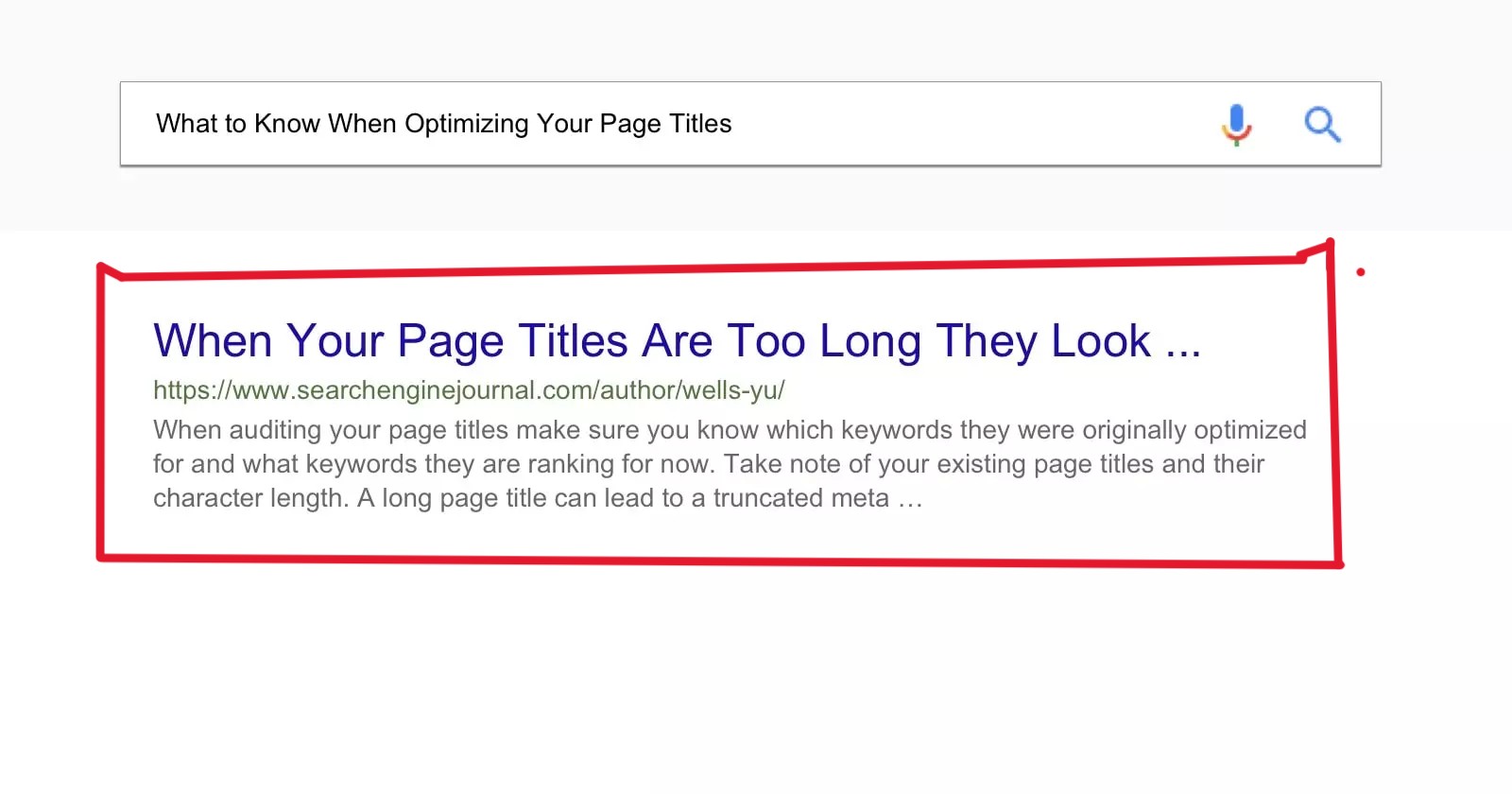
Keep title tags under 60 characters and meta descriptions under 155.
Duplicate Titles or Descriptions
Every page should have a unique title and meta description.
If multiple pages have the same tags, Google may ignore them or think it’s duplicate content.
Fix: Write custom tags for every important page.
How Title & Meta Tags Fit Into On-Page SEO
This part is key. Your title and meta description are just one part of your larger on-page SEO strategy.
- Internal linking
- Keyword placement in headings
- Mobile-friendly layout
- Fast loading time
Want to learn more? Check out our Top 14 On-Page SEO Ranking Factors to see how it all fits together.
Tools to Help You Optimise Tags
Here are some tools that make the job easier:
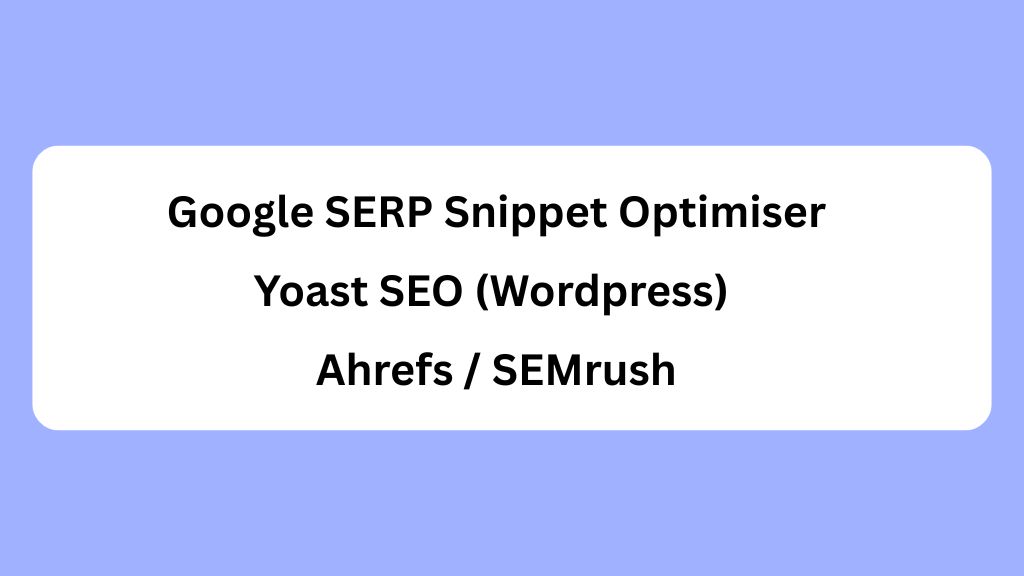
- Yoast SEO (WordPress) – Highlights length, keywords, and readability.
- Ahrefs / SEMrush – Check what titles your competitors use.
- Google SERP Snippet Optimiser (Portent or Mangools) – Preview how your title/meta will appear on Google.
Conclusion
Optimising your title tags and meta descriptions isn’t complicated, but it requires a little care and attention.
If you remember just three things from this guide, make it these:
- Use your main keyword early in the title.
- Write for humans, not just Google.
- Be clear, unique, and include a reason to click.
It might seem small, but a well-crafted title and meta description can seriously boost your traffic. Start by reviewing your top 5 pages today, rewrite the tags using the tips and examples above, and see what happens.
FAQs
Here are 4 common FAQs related to writing SEO-friendly title tags and meta descriptions, especially for beginners:
1. What happens if my title tag is too long?
If your title tag goes beyond 60 characters, Google will likely cut it off, showing an ellipsis (…). This means users won’t see the full headline, and you might lose important keywords or your call-to-action, so keep it short and punchy.
2. Does Google always use my meta description?
No, Google doesn’t always use your meta description. If it thinks another part of your page better matches the user’s query, it may pull that content instead. But writing a good meta description still helps guide what Google might show, and increases your chances of getting more clicks.
3. Can I use the same title tag on multiple pages?
No, you should avoid duplicate title tags. Each page should have a unique title and description to help Google understand what makes that page different. Duplicate tags can confuse both users and search engines.
4. Are keywords in the meta description important for SEO?
Keywords in meta descriptions don’t directly affect rankings, but they can improve click-through rate if the words match what users are searching for. When users see their search terms highlighted in bold, they’re more likely to click.