
To run a 30-minute local SEO audit in 2026, focus on high-impact trust signals: verifying NAP consistency across major platforms, optimizing your Google Business Profile with fresh photos and weekly updates, and ensuring your website’s Schema markup is AI-ready. By quickly identifying gaps in review recency and mobile performance, you can secure visibility in both traditional Map Packs and emerging AI search overviews.
A local SEO audit checks your Google Business Profile, NAP consistency, local citations, and on-page optimization to identify quick wins that boost local search visibility. This 30-minute process focuses on high-impact elements that directly affect your local pack rankings.
Running a local SEO audit doesn’t require expensive tools or hours of analysis. Most local businesses leak visibility due to fixable issues, including inconsistent addresses, unclaimed listings, or missing schema markup. This audit catches those issues fast.
Before You Start: Tools You’ll Need To Perform a 30-Minute Local SEO Audit
Grab these free tools before your 30-minute timer starts:
- Google Business Profile Manager
- Google Search Console
- BrightLocal’s Citation Tracker (free trial)
- Moz Local Check
- Your smartphone
Set a timer. Speed matters here. You’re hunting critical issues, not perfectionism.
Minutes 1-5: Google Business Profile Health Check

Your GBP is the foundation of your local SEO. Log in to your dashboard and verify:
Critical Elements:
- Business name matches your legal entity (no keyword stuffing)
- Primary category is laser-specific (not “Restaurant” but “Thai Restaurant”)
- NAP (Name, Address, Phone) is character-perfect
- Hours are current (especially holidays)
- Service areas are defined if you’re service-based
Check the “Info” tab for suggested edits from Google. These are crowdsourced changes that might have corrupted your listing without notification.
Look at your photos. Are they recent? Professional? You need at least 10 high-quality images. Listings with 100+ photos get 520% more calls than average listings.
Check your reviews. Respond to anything from the last 30 days. A 48-hour response time correlates with better rankings.
Minutes 6-10: NAP Consistency Scan
Inconsistent business information kills local rankings. Google needs confidence in your data.
Use Moz Local Check or BrightLocal to scan your top 20 citations:
- Yelp
- Apple Maps
- BBB
- YellowPages
- Industry-specific directories
Flag these red flags:
- Different phone numbers across platforms
- Variations in business name (“Bob’s Plumbing” vs “Bob’s Plumbing LLC”)
- Old addresses if you’ve moved
- Suite numbers are present on some citations but not others
Aim for 95%+ consistency. Anything below 85% hurts your local pack chances.
Create a “citation master document” with your exact NAP formatting. Copy-paste from this doc every time. Prevents human error.
Minutes 11-15: On-Page Local Signals
Your website needs to scream “local business” to search engines.
Homepage Checklist (2 minutes):
- City + service in title tag
- NAP in footer (preferably schema-wrapped)
- Embedded Google Map
- Local phone number (not toll-free)
Service/Location Pages (3 minutes):
If you serve multiple areas, you need dedicated location pages. Not thin doorway pages—real pages with:
- Unique content about serving that area
- Local landmarks or neighborhoods mentioned
- Customer testimonials from that location
- Driving directions section
Bad example: “We serve San Diego with the best plumbing services.”
Good example: “Our Hillcrest plumbing team responds to calls in Old Town, Bankers Hill, and Mission Hills within 45 minutes. We’ve cleared clogged drains in homes along Park Boulevard for 12 years.”
The difference? Specificity creates topical authority.
Minutes 16-20: Schema Markup Validation
Schema tells search engines what your data means. Local businesses need the LocalBusiness schema at a minimum.
Go to your homepage. Right-click > “View Page Source.” Search for “schema” or “LocalBusiness.”
Don’t see it? You’re missing structured data. That’s a priority fix.
Essential schema types for local:
- LocalBusiness (or a more specific type like “Plumber” or “Restaurant”)
- PostalAddress
- GeoCoordinates
- OpeningHoursSpecification
- AggregateRating (if you have reviews)
Test your schema at schema.org’s validator or Google’s Rich Results Test.
In my experience, adding the LocalBusiness schema has moved businesses from position #8 to #3 in the local pack within two weeks. It’s low-hanging fruit.
My-Tip: If you’re using WordPress, the RankMath or Yoast SEO Premium plugins add local business schema automatically. Configure it once, forget it.
Minutes 21-25: Mobile User Experience Test
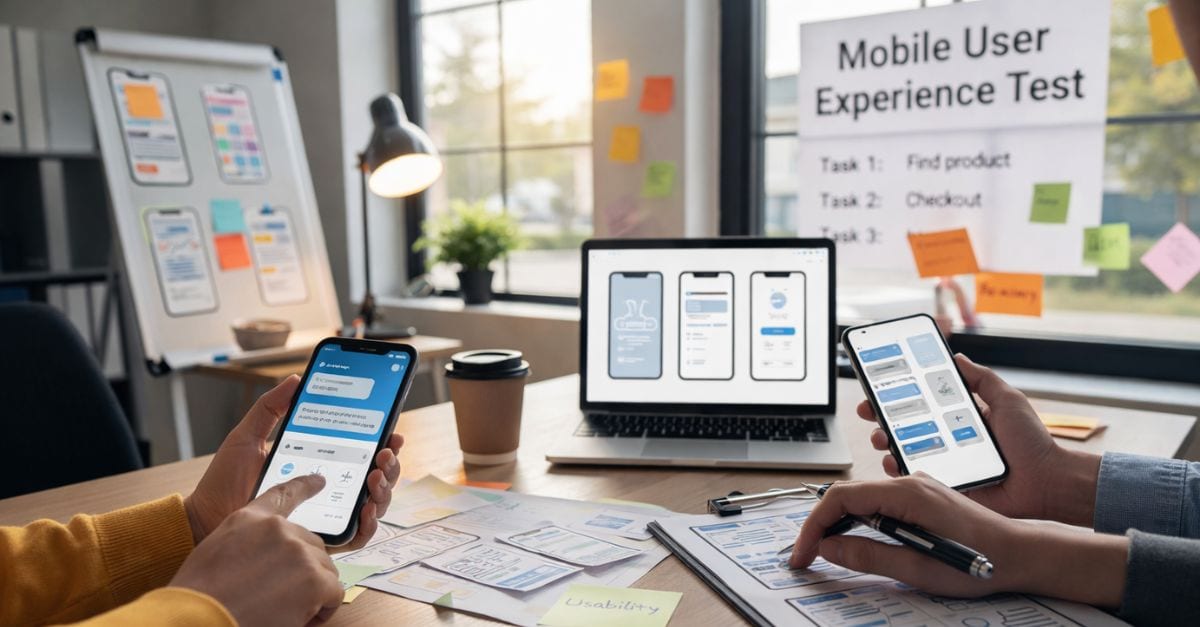
More than 50% of local searches happen on mobile. A broken mobile experience tanks conversions and rankings.
Open your site on your phone. Click around:
- Does the click-to-call button work?
- Is the address one-tap to open in Maps?
- Can you read text without zooming?
- Do buttons have enough tap target size (minimum 48×48 pixels)?
Use Google’s Mobile-Friendly Test tool for technical issues:
- Viewport configuration
- Font sizes
- Touch element spacing
Check your Core Web Vitals in Google Search Console. Focus on $LCP$ (Largest Contentful Paint) and $CLS$ (Cumulative Layout Shift).
For local sites, the acceptable thresholds are:
- $LCP < 2.5s$
- $CLS < 0.1$
- $FID < 100ms$
Slow mobile sites lose customers before they even see your service.
Minutes 26-30: Review and Link Profile
Reviews (2 minutes):
Check these platforms for review volume:
- Google (most important)
- Yelp
- Industry platforms (Avvo for lawyers, Healthgrades for doctors)
Healthy local businesses get 2-4 new Google reviews per month. Below 1/month signals stagnation to Google’s algorithm.
Note any negative reviews without responses. That’s leaving ranking points on the table.
Local Link Profile (2 minutes):
Open Google Search Console > Links > Top linking sites.
Look for:
- Local news sites or blogs
- Chamber of Commerce
- Local business associations
- .edu domains (if applicable)
- Community organization sites
Count how many local domains link to you. Competitive local niches need 5-15 quality local backlinks.
The common mistake I see is businesses chasing any backlinks instead of geo-relevant ones. A link from your city’s newspaper beats 10 generic directory links.
If you want to focus on growing your business without worrying about SEO, hiring an experienced Freelance SEO specialist in Nepal can be a smart investment.
Quick Action Matrix
Based on your 30-minute audit, prioritize fixes this way:
| Issue Found | Impact | Fix Time | Priority |
|---|---|---|---|
| GBP claimed but incomplete | High | 15 min | Do today |
| NAP inconsistencies | High | 2-4 hours | This week |
| Missing schema markup | High | 1-2 hours | This week |
| No location pages | Medium | 3-5 hours | This month |
| Slow mobile site | Medium | 4-8 hours | This month |
| Low review count | Low | Ongoing | Consistent effort |
People Also Ask These Questions About Local SEO Audit
Here are the most relevant and commonly asked queries on local audit:
1. What is a local SEO audit?
A local SEO audit is a quick review of a business’s online presence—Google Business Profile, website, citations, and reviews—to find issues that prevent it from ranking in Google Maps and local search results.
2. How often should I run a local SEO audit?
Most local businesses should run a basic audit every month and a deeper audit every 3–6 months to maintain rankings and fix new issues quickly.
3. Can I do a local SEO audit in 30 minutes?
Yes. A focused 30-minute audit can identify the biggest ranking problems, including Google Business Profile optimization, NAP consistency, reviews, and on-page local SEO issues.
4. What tools are needed for a quick local SEO audit?
Common tools include:
-
Google Business Profile
-
Google search (incognito)
-
Google Search Console
-
Google Maps
-
A local SEO tool (BrightLocal, Whitespark, etc.)
But a basic audit can be done manually.
5. Why is my business not ranking in Google Maps?
Common reasons include:
-
Poor optimization of Google Business Profile
-
Few reviews
-
Inconsistent NAP citations
-
Weak local content
-
Strong nearby competitors
A quick audit usually reveals the main issue.
6. What is the fastest way to improve local SEO rankings?
The fastest wins usually come from:
-
Optimizing Google Business Profile
-
Adding reviews
-
Fixing NAP consistency
-
Updating categories
-
Improving homepage local keywords
7. How many reviews do I need to rank locally?
There is no exact number, but businesses with consistent new reviews and higher ratings tend to rank better in Google Maps.
8. Do I need a website for local SEO to work?
Yes. While Google Business Profile helps, a well-optimized website improves authority and helps you rank higher in local results.
9. What’s the #1 local SEO mistake small businesses make?
Inconsistent NAP across the web. It’s the easiest to fix, but gets ignored. Google loses confidence when your address appears differently on various platforms.
10. Can I rank in the local pack without a physical address?
Service-area businesses (SABs) can rank without showing their address publicly, but you must verify a physical location with Google. Use service area settings in GBP to hide your address while serving multiple locations.
Next Steps
Your 30-minute audit identified problems. Now fix them in order of impact.
Start with your Google Business Profile. Update everything today. Fix NAP inconsistencies across your top 10 citations this week.
Add schema markup if it’s missing. That’s a developer task if you’re not technical, but it’s worth the investment.
Then build a review generation system. Automate follow-up emails asking satisfied customers for reviews. Consistency matters more than one-time pushes.
Local SEO isn’t complicated. It’s methodical. Audit, fix, measure, repeat.