 Skip to content
To do YouTube SEO in Nepal in 2026, follow these 6 steps:
(1) Research Nepal-specific keywords using YouTube autocomplete and Google Trends,
(2) Optimize your video file name and create custom thumbnails before uploading,
(3) Write keyword-rich titles under 60 characters with your main keyword at the front,
(4) Craft descriptions with keywords in the first 150 characters and add timestamps,
(5) Use 8-12 strategic tags mixing English and Nepali terms, and
(6) Boost engagement by asking specific questions and responding to comments quickly.
Focus on watch time and viewer retention over keyword stuffing for best results.
YouTube has become a powerful platform for Nepali creators to share their stories, build businesses, and reach global audiences. However, creating great content isn’t enough anymore. With over 500 hours of video uploaded to YouTube every minute, understanding YouTube SEO is crucial for Nepali creators who want their videos to be discovered.
I’ve spent the last three years helping Nepali content creators optimize their channels, and I’ve seen firsthand how proper SEO can transform a struggling channel into a thriving business. Whether you’re a tech reviewer in Kathmandu, a cooking channel in Pokhara, or a travel vlogger exploring Nepal’s hidden gems, this guide will show you exactly how to optimize your videos for maximum visibility in 2026.
What is YouTube SEO and Why is it Important for Nepali Creators?
YouTube SEO is the process of optimizing your videos, channel, and playlists to rank higher in YouTube’s search results and recommendations.
Unlike traditional Google SEO, YouTube’s algorithm prioritizes viewer satisfaction metrics like watch time, engagement, and click-through rates alongside keyword relevance.
For Nepali creators, YouTube SEO presents a unique opportunity. The competition in Nepal-specific niches is still relatively low compared to international markets.
A well-optimized video about “YouTube SEO Expert in Nepal” or “Best SEO Expert in Nepal” can attract both local and international viewers, creating multiple monetization opportunities.
The challenge many Nepali YouTubers face is visibility. You might produce excellent content, but without proper optimization, your videos get buried under millions of others. YouTube SEO bridges this gap by making your content discoverable to people actively searching for what you offer.
Understanding YouTube’s 2026 Algorithm in the Nepali Context
YouTube’s algorithm in 2026 has evolved significantly with AI-powered recommendations and personalized content delivery. The platform now evaluates content quality through viewer behavior signals rather than just metadata.
From my experience working with dozens of Nepali channels, I’ve learned that your content needs to satisfy both the algorithm and your audience.
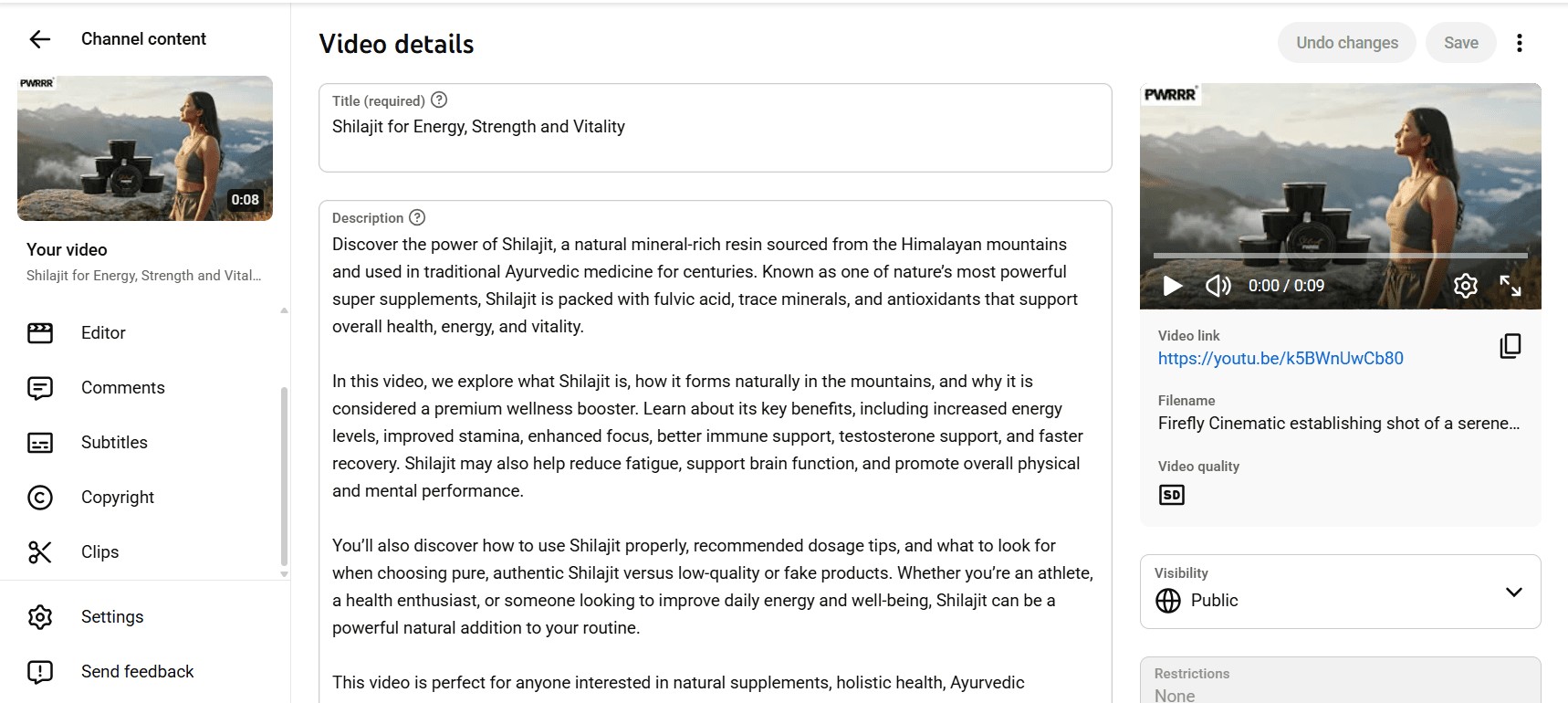
The algorithm tracks how long people watch your videos, whether they engage through likes and comments, and if they continue watching more of your content afterward. These signals tell YouTube whether your video deserves to be recommended to more viewers.
Language plays an interesting role for Nepali creators. Videos in Nepali language can rank well for local searches, while English content opens doors to international audiences. Many successful channels I’ve consulted with strategically use both languages, creating bilingual content or maintaining separate playlists for different audiences.
Step-by-Step Guide to YouTube SEO in the Context of Nepal
Here are the step by step YouTube SEO guide for Nepal, explained in easy language;
Step 1: Master Keyword Research for Your Videos
Keyword research is the foundation of YouTube SEO. Before filming a single frame, you need to know what people are searching for.
- Start with YouTube’s search bar
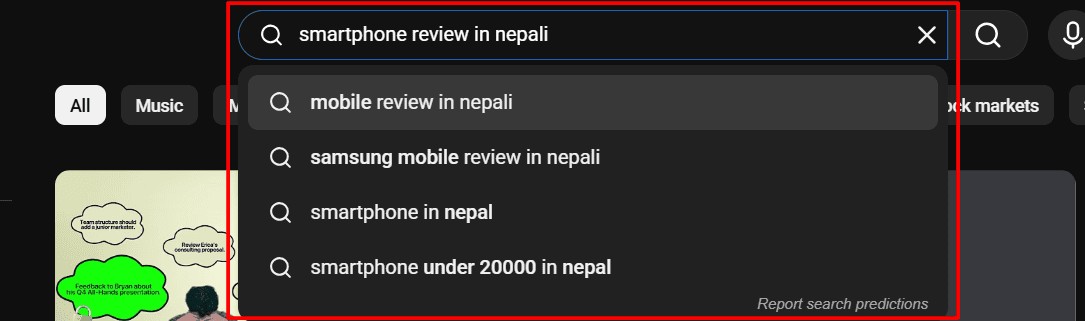
Type a broad topic related to your niche and observe the autocomplete suggestions. If you’re running a tech channel, typing “smartphone review” will reveal what people commonly search for. You’ll see suggestions like “smartphone review under 30000 Nepal” or “best smartphone 2026 Nepal.” These autocomplete suggestions are gold because they represent real searches from real users.
- Use Google Trends for Nepal-specific insights
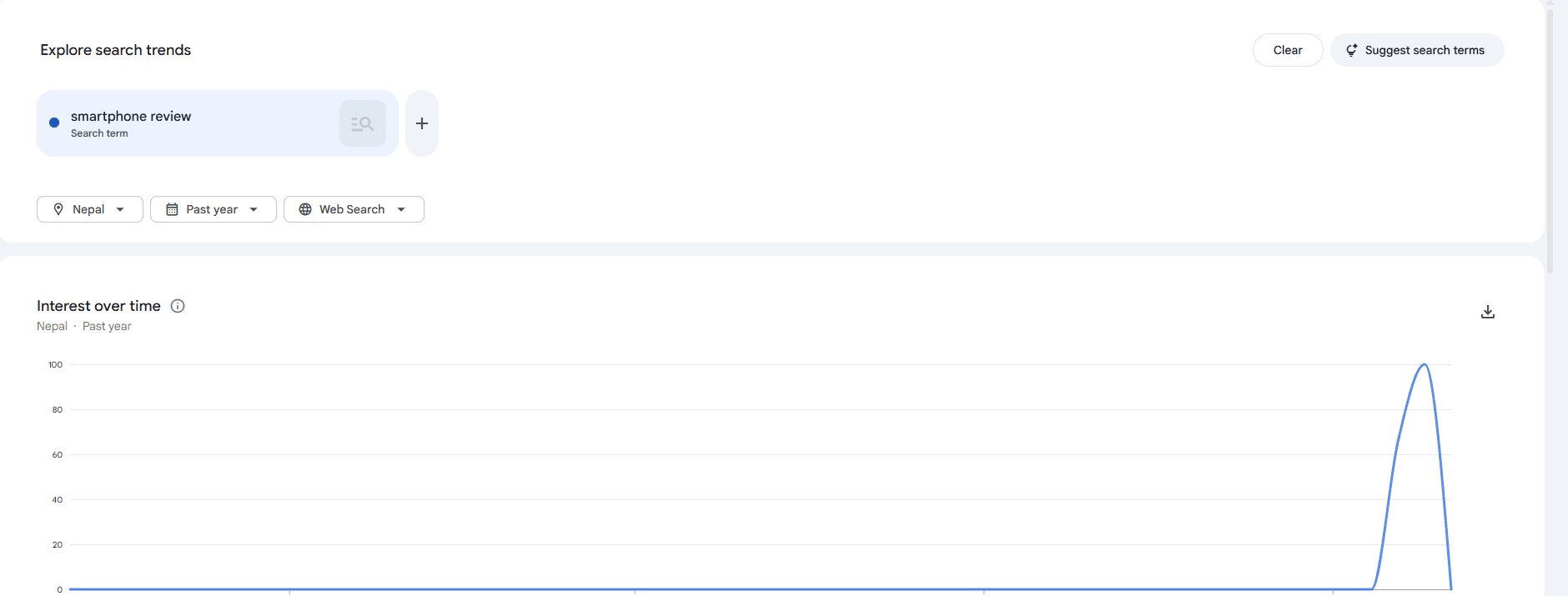
Set your location to Nepal and compare different keyword variations. You might discover that “mobile phone review” has higher search volume than “smartphone review” in Nepal, or that certain topics trend during specific seasons like Dashain or Tihar.
- Check YouTube Analytics if you have an existing channel
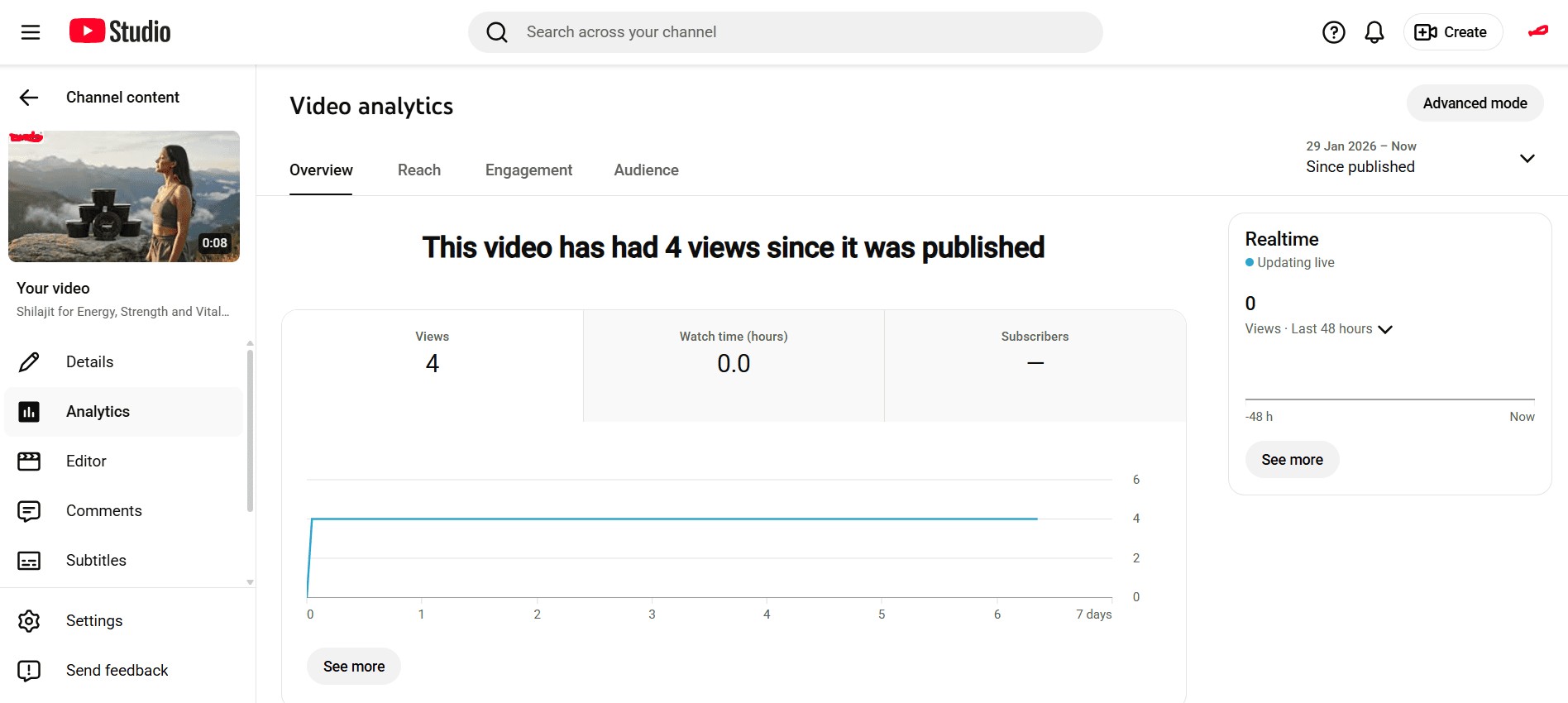
Navigate to “Traffic Source: YouTube Search” to see the exact queries people used to find your videos. This data helps you create more content around topics your audience actively searches for.
When researching keywords for the Nepali market, consider both Nepali and English terms. Many Nepali viewers search in English, but local language searches often have less competition. A video optimized for “मोमो बनाउने तरिका” (how to make momo) might face less competition than its English equivalent while still attracting substantial views.
Free tools like TubeBuddy and VidIQ offer keyword research features, though their free versions have limitations. For beginners in Nepal working with limited budgets, YouTube’s native search and Google Trends provide sufficient data to start optimizing effectively.
- The ideal keyword balances search volume with competition
Avoid extremely broad keywords like “music video” where competition is fierce. Instead, target specific long-tail keywords like “Nepali lok geet 2026” or “acoustic guitar tutorial for beginners Nepal.”
Step 2: Optimize Your Video File Before Uploading
Most creators overlook this step, but optimization begins before you even upload to YouTube. Your video file name matters because YouTube’s system reads it during processing.
Instead of uploading a file named “VID_20260204.mp4,” rename it to include your target keyword: “how-to-make-momo-recipe-nepal.mp4.” This small action signals to YouTube what your video is about from the very beginning.
Create custom thumbnails that combine eye-catching visuals with clear text. In my testing with Nepali channels, audiences respond well to thumbnails showing faces with genuine expressions and bold, readable text. If targeting local audiences, including Nepali text in your thumbnail can increase click-through rates from Nepali viewers while still remaining attractive to international audiences who appreciate the cultural authenticity.
The first five seconds of your video are critical. Hook viewers immediately by addressing their search intent. If someone searched “how to make momo,” start with “In this video, I’ll show you the authentic Nepali momo recipe my grandmother taught me.” This immediate relevance signals to both viewers and YouTube’s algorithm that your content delivers what it promises.
Step 3: Craft Titles That Rank and Convert
Your video title serves two masters: the YouTube algorithm and human viewers. The best titles satisfy both.
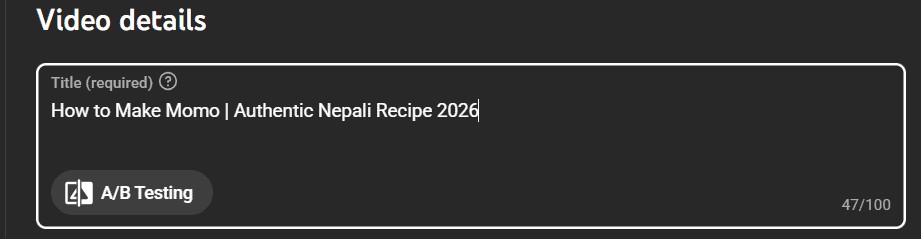
Front-load your primary keyword while keeping the title under 60 characters for mobile visibility. A title like “How to Make Momo | Authentic Nepali Recipe 2026” places the keyword first while promising specific value.
Including numbers and power words increases click-through rates. Compare “Smartphone Reviews” with “Top 5 Smartphones Under Rs. 30,000 in Nepal 2026.” The second title is specific, includes the year for freshness, and uses the local currency, making it immediately relevant to Nepali buyers.
For tutorial content, use the “How to” formula consistently: “How to Start a YouTube Channel in Nepal | Complete Beginner Guide 2026.” This format matches search intent perfectly and has proven successful across niches.
Avoid clickbait titles that promise what your video doesn’t deliver. YouTube’s algorithm in 2026 heavily penalizes videos with high click-through rates but low watch time. If viewers click but immediately leave because your content doesn’t match your title, your rankings will suffer.
Step 4: Write Descriptions That Work
The first 150 characters of your description appear in search results, so make them count. Include your primary keyword and a compelling reason to watch within this critical space.
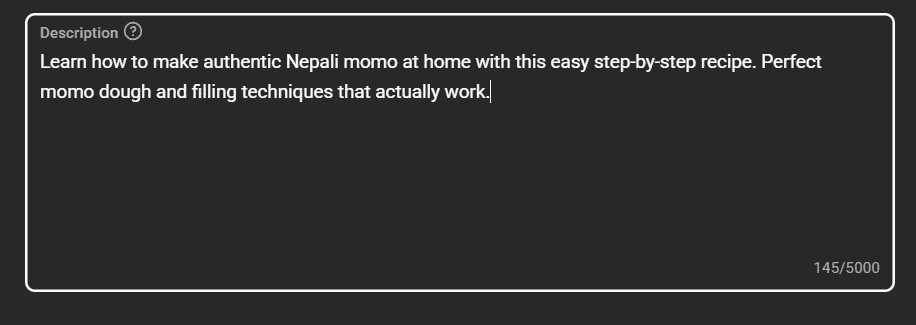
A strong description for a cooking video might start: “Learn how to make authentic Nepali momo at home with this easy step-by-step recipe. Perfect momo dough and filling techniques that actually work.”
After the opening, expand your description to 300-500 words. Include your target keyword naturally 2-3 times, but focus on providing value. Describe what viewers will learn, list the topics you cover, and include timestamps for longer videos.
Timestamps improve user experience and give YouTube more context about your content structure. For a 15-minute video, your description might include:
- 0:00 Introduction
- 1:30 Ingredients needed for momo
- 3:45 Making the perfect dough
- 7:20 Preparing the filling
- 10:15 Folding techniques
- 12:30 Steaming tips
Add relevant hashtags, but limit them to 3-5 maximum. Use a mix of broad and specific hashtags: #NepaliFoodRecipe #MomoRecipe #CookingInNepal. Excessive hashtags look spammy and may hurt your rankings.
Include links to related videos, playlists, and your social media. For Nepali creators building a brand, connecting your YouTube presence to Facebook pages or Instagram accounts helps build a complete online ecosystem.
Step 5: Strategic Tag Selection
Tags help YouTube understand your video’s content and context, though their importance has decreased compared to titles and descriptions. Still, strategic tagging matters for reaching the right audience.
Use 8-12 tags mixing broad and specific terms.
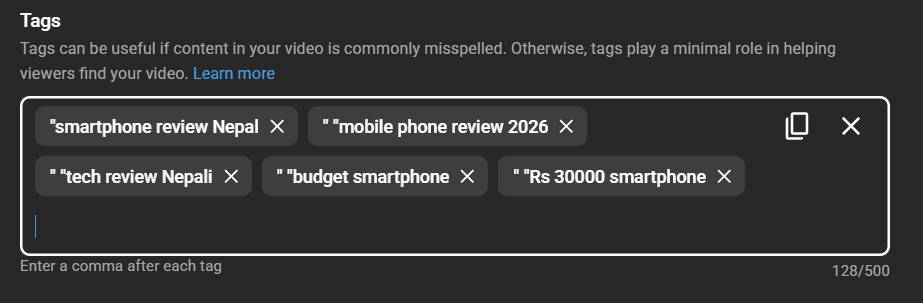
For a smartphone review video, your tags might include: “smartphone review Nepal,” “mobile phone review 2026,” “tech review Nepali,” “budget smartphone,” “Rs 30000 smartphone,” and your specific phone model.
Include both English and Nepali language variations when relevant. A video about travel might use tags like “Nepal travel,” “Nepal tourism,” and “नेपाल यात्रा.”
Add location-specific tags for local visibility: “Kathmandu,” “Pokhara,” “Nepal.” These help your content appear in location-based searches and recommendations.
Research competitor channels in your niche and note their tags using browser extensions like TubeBuddy or VidIQ. While you shouldn’t copy tags exactly, understanding what successful channels use provides valuable insights.
Step 6: Maximize Engagement Signals
YouTube’s algorithm heavily weights engagement metrics. Videos that generate likes, comments, shares, and extended watch time receive preferential treatment in search rankings and recommendations.
Ask specific questions in your videos to encourage comments. Instead of a generic “comment below,” ask targeted questions: “Which momo filling do you prefer – chicken, buff, or vegetarian? Let me know in the comments.” Specific questions generate more responses than vague requests.
Respond to comments within the first few hours after publishing. Early engagement signals to YouTube that your video generates interest, potentially triggering the algorithm to push your content to more viewers. For Nepali creators, engaging with your community builds loyalty and increases the likelihood of viewers returning for future content.
Create end screens that promote related videos or playlists. Keeping viewers on your channel increases session watch time, a critical ranking factor. If someone watches your momo recipe, your end screen might suggest “10 Nepali Chutney Recipes” or “Street Food Tour of Kathmandu.”
Organize your content into playlists with keyword-rich names. Instead of a generic “Recipes” playlist, create “Authentic Nepali Food Recipes” or “Easy Nepali Cooking for Beginners.” Playlists increase watch time by auto-playing related videos and help YouTube understand your content’s topical relationships.
Promote Your Videos Beyond YouTube
YouTube SEO doesn’t end on YouTube. External traffic signals show the algorithm that your content has value across platforms.
Share your videos strategically on Facebook groups popular in Nepal. Groups focused on cooking, technology, travel, or entrepreneurship often welcome relevant video content. Provide context when sharing rather than just dropping links – explain what value your video offers to the group.
Instagram Reels and TikTok can drive significant traffic to your YouTube channel. Create 30-60 second teasers from your longer YouTube content and direct viewers to “watch the full video on YouTube” with a link in your bio.
For creators with websites or blogs, embedding your videos and creating supporting written content boosts SEO for both platforms. A blog post about “Best Trekking Routes in Nepal” that includes your YouTube video creates a powerful combination, ranking in both Google and YouTube searches.
Collaborate with other Nepali creators in complementary niches. Cross-promotion exposes your channel to new audiences already interested in similar content. A food channel collaborating with a travel vlogger creates natural synergy and mutual growth opportunities.
Monitor Performance and Adapt
YouTube Analytics provides crucial insights for refining your SEO strategy. Focus on these key metrics:
Click-through rate (CTR) reveals how compelling your titles and thumbnails are. A CTR above 4% is generally good, though this varies by niche. If your CTR is low, experiment with different thumbnail styles or title formulas.
Average view duration shows how engaging your content is. If viewers consistently leave at a specific point, that section needs improvement. For tutorial content, viewers leaving early might mean you took too long to get to the main content.
Traffic sources reveal where viewers discover your content. If “YouTube Search” drives most traffic, your SEO is working. If “Browse Features” dominates, YouTube’s recommendation algorithm is promoting your content effectively.
Audience retention graphs show exactly when viewers lose interest. Use this data to improve future videos. If people leave during your intro, make it shorter and more engaging. If they stay until the end, you’ve mastered retention.
Test one variable at a time. Change your thumbnail style for a few videos and measure the impact on CTR. Try different title formulas and track performance. This systematic approach reveals what resonates with your specific audience rather than relying on generic advice.
Common YouTube SEO Mistakes to Avoid
Many Nepali creators sabotage their success through preventable mistakes. Avoid keyword stuffing in titles, descriptions, or tags. YouTube’s AI easily detects unnatural keyword usage and may penalize your content.
Don’t ignore video quality in favor of SEO. Search optimization gets viewers to click, but quality content keeps them watching. Both elements must work together for sustainable growth.
Consistency matters more than perfection. Uploading optimized videos regularly beats sporadic uploads of perfect content. YouTube’s algorithm favors active channels that consistently engage their audience.
Never use misleading thumbnails or titles. The short-term click gains aren’t worth the long-term damage to your channel’s reputation and algorithmic standing.
Your YouTube SEO Journey Starts Now
YouTube SEO in Nepal offers various opportunities for creators willing to learn and apply these strategies consistently. The competition in many Nepali niches remains manageable, creating a window for dedicated creators to establish authority and build audiences.
Start with one video. Apply the keyword research, optimize your metadata, create an engaging thumbnail, and focus on viewer satisfaction. Monitor your results, learn what works for your specific audience, and refine your approach with each upload.
Success on YouTube combines quality content with smart optimization. Master both, and your channel can reach audiences across Nepal and around the world, regardless of your budget or technical expertise. The tools and strategies outlined in this guide provide everything you need to start optimizing today.
Commonly Asked Question About YouTube SEO in Nepal
Here are some frequently asked questions about YouTube SEO:
1. How does YouTube SEO work in Nepal in 2026?
YouTube SEO in Nepal works by optimizing videos for search intent, watch time, engagement, and local relevance. In 2026, YouTube prioritizes videos that answer specific user queries clearly, keep viewers watching longer, and match Nepal-based search behavior, including Nepali and Hinglish keywords.
2. What are the most important YouTube ranking factors in 2026?
The most important YouTube ranking factors in 2026 include:
-
Click-through rate (title & thumbnail)
-
Average watch time and audience retention
-
Video relevance to the search query
-
Engagement (likes, comments, shares)
-
Channel authority and consistency
YouTube now relies more on viewer satisfaction signals than keyword stuffing.
3. How do I find YouTube keywords for the Nepali audience?
You can find YouTube keywords for the Nepali audience by using:
-
YouTube Search autocomplete
-
Google Trends (set to Nepal)
-
YouTube Studio search analytics
-
Community comments and FAQs
Mix English + Nepali keywords (e.g., YouTube SEO Nepal, YouTube video kasari rank garne) for better reach.
4. Should I use Nepali or English language videos for YouTube SEO in Nepal?
Both work, but Nepali or mixed Nepali-English (Hinglish) videos perform better for local reach. For business, education, and tutorials in Nepal, creators who speak naturally in Nepali while using English keywords tend to rank higher and retain viewers longer.
5. How important are titles, descriptions, and tags in 2026?
Titles and descriptions are still critical, but tags are less important than before. In 2026:
-
Titles drive clicks
-
Descriptions help YouTube and LLMs understand context
-
Tags mainly support spelling variations
Well-structured descriptions help your content get cited by AI tools.
6. How does watch time affect YouTube rankings in Nepal?
Watch time is one of the strongest ranking signals on YouTube. Videos that keep Nepali viewers engaged for a longer duration are more likely to appear in search results, suggested videos, and homepage recommendations.
7. Can YouTube videos rank on Google and AI search results?
Yes. Optimized YouTube videos can rank on Google Search, Google Discover, and AI tools like ChatGPT and Perplexity. Clear answers, structured descriptions, timestamps, and FAQ-style content increase the chance of being cited by LLMs.
8. How long does it take to see results from YouTube SEO in Nepal?
YouTube SEO results in Nepal usually appear within 30–90 days, depending on competition, content quality, consistency, and audience engagement. Evergreen educational videos often show long-term growth rather than instant results.